
A property survey is one of those things people often treat as paperwork. You sign off on it, file it away, and never look at it again. But the information inside that document can protect you from legal disputes, surprise construction problems, and costly mistakes that most buyers never see coming.
If you own land, plan to buy some, or are getting ready to build, understanding what a property survey actually does is worth your time.
What a Property Survey Is
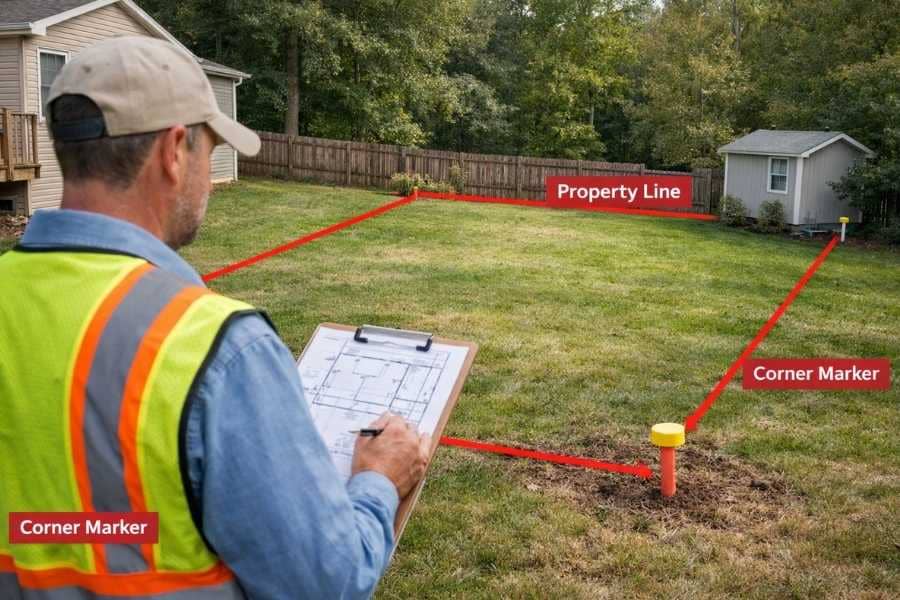
A property survey is an official document prepared by a licensed land surveyor. It shows the exact legal boundaries of a piece of land, where structures sit on it, and whether anything complicates your ownership rights.
It is not the same as a home inspection. A home inspection looks at the condition of a building. A property survey looks at the land itself, where it begins, where it ends, and what claims exist on it.
What It Actually Uncovers
Encroachments You Never Knew About
An encroachment happens when a structure crosses over a property line. It could be a fence, a shed, a driveway, or even part of a building. These situations happen more often than people expect, and most property owners never find out until a dispute comes up.
Common encroachments a survey reveals include:
- A neighbor’s fence sitting two or three feet inside your property line
- A driveway that partially sits on an adjacent lot
- A garage or outbuilding that crosses a legal boundary
- Overhanging structures from a neighboring property
Knowing about these issues before closing on a purchase gives you options. After closing, the problem becomes yours to deal with.
Easements That Limit What You Can Do With Your Land
An easement gives another party the legal right to use part of your property for a specific purpose. Utility companies, municipalities, and neighboring landowners can all hold easements. You cannot see them on a walkthrough of the land. Only a survey makes them visible.
Types of easements a survey commonly identifies:
- Utility easements allow power, gas, or water lines to run through your land
- Drainage easements restrict construction near water flow paths
- Access easements allow a neighbor to cross your property
- Conservation easements limit development to protect natural features
Building over an easement can result in forced removal of the structure at your expense. Finding out about easements before you build saves you from that outcome.
Whether the Legal Description Matches Reality
Every property has a legal description, which is a written record of its boundaries recorded in the deed. These descriptions can be outdated or inaccurate. A survey compares the legal description against actual field measurements and flags any differences.
When You Need One
Before Buying Property
A property survey before purchase protects you from inheriting someone else’s legal problems. Title insurance covers many issues, but it does not protect you from physical encroachments or easements that a survey would have caught.
Before Building or Renovating
Most local governments require a survey before issuing a building permit. Even when it is not required, building without one risks placing a structure inside a setback zone or on the wrong lot. That can lead to costly corrections.
Before Installing a Fence
A survey for fence installation is one of the most common reasons homeowners contact a land surveyor. Placing a fence even a few inches over your property line can turn into a neighbor dispute or a legal matter that costs far more than the survey would have.
During a Boundary Dispute
If a neighbor challenges your property line, a licensed surveyor’s findings carry legal weight. In many cases, a survey resolves the disagreement without going to court.
What a Standard Survey Includes
A boundary survey typically documents:
- Exact boundary measurements with distances and directions
- Location of existing structures relative to property lines
- Identification of corner markers and monuments
- Recorded easements and rights-of-way
- Encroachments from or onto neighboring properties
For commercial properties or real estate transactions involving lenders, an ALTA/NSPS survey provides more detailed documentation and is often required before closing.